
Nutrition is one of the most influential factors in long-term health, affecting everything from daily energy levels to disease prevention and longevity. What we eat consistently shapes how our bodies function, recover, and age. Despite its importance, nutrition is often misunderstood due to conflicting advice, diet trends, and misinformation circulating online.

Leading health authorities such as the Centers for Disease Control and Prevention (CDC) and the World Health Organization (WHO) provide evidence-based dietary guidelines designed to support overall health and reduce the risk of chronic diseases. These guidelines emphasize balanced eating patterns rather than extreme restrictions, focusing on nutrients that support heart health, immune function, and metabolic stability.
Trusted educational resources like Harvard Health Publishing and NutritionFacts.org help translate complex nutritional science into practical guidance. They highlight how whole foods—such as fruits, vegetables, whole grains, legumes, nuts, and seeds—provide essential vitamins, minerals, fiber, and antioxidants that protect against conditions like heart disease, diabetes, and certain cancers.
Protein intake also plays a critical role in long-term health. Lean protein sources, including fish, poultry, beans, tofu, and low-fat dairy, support muscle maintenance, hormone production, and immune function. Healthy fats from foods like olive oil, avocados, nuts, and fatty fish contribute to brain health and help regulate inflammation.
Equally important is understanding portion sizes and overall eating patterns. Balanced diets are not defined by perfection, but by consistency over time. Moderation allows room for enjoyment while maintaining nutritional quality, making healthy eating more sustainable in the long run.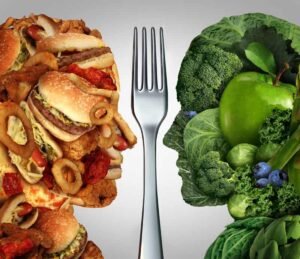
Technology has also made nutrition awareness more accessible. Food-tracking apps such as MyFitnessPal enable individuals to monitor nutrient intake, identify patterns, and make informed adjustments. While tracking is not necessary for everyone, it can be a useful educational tool for building mindful eating habits.
Ultimately, good nutrition is not about rigid rules or short-term diets. It is about making informed, sustainable choices that align with individual needs, cultural preferences, and lifestyle demands. When approached with balance and evidence-based knowledge, nutrition becomes a powerful foundation for long-term health and overall well-being.